

ISLAND EVENT PLANNING
As the world becomes increasingly interconnected, event planners are constantly seeking unique and captivating locations to host unforgettable experiences. One such category that has gained significant popularity in recent years is island events. The allure of pristine beaches, picturesque landscapes, and exotic settings draws both organisers and attendees alike. However, behind the scenes, event planners face a myriad of logistical challenges when it comes to delivering successful island events. In this blog, we will explore some of the key obstacles faced by event planners and how they overcome them to create seamless experiences.

Accessibility and Transportation:
One of the foremost challenges in organising island events revolves around accessibility and transportation. Unlike traditional venues located on the mainland, islands often have limited or specialised modes of transportation. Event planners must consider the availability of airports, ferry services, private charters, and even helicopter transfers to ensure smooth arrivals and departures for attendees and equipment. Coordinating with local transportation providers and optimising logistics becomes essential to overcome this challenge.
Infrastructure and Facilities:
Islands, especially those with a smaller population, may have limited infrastructure and facilities compared to urban areas. This can pose significant challenges for event planners, as they need to ensure that the island can accommodate the technical requirements, power supply, and communication infrastructure necessary for the event. From setting up temporary structures to arranging generators and establishing reliable internet connectivity, planners must proactively address these issues to create a seamless event experience.
Supply Chain and Procurement:
Procuring supplies and equipment for island events can be a complex undertaking. Islands may have limited local resources, resulting in the need to transport essential items from the mainland or even from international destinations. Event planners must meticulously plan and coordinate the supply chain, taking into account factors such as customs regulations, delivery schedules, and potential delays. It often requires close collaboration with local vendors and suppliers to ensure timely delivery and mitigate any logistical hurdles that may arise.

Accommodation and Hospitality:
The availability and quality of accommodation options on islands can vary greatly, especially for large-scale events. Event organisers must carefully evaluate and secure suitable accommodations for attendees, speakers, and staff. This may involve working closely with local hotels, resorts, and vacation rentals to negotiate room blocks, coordinate reservations, and ensure that the chosen venues align with the event’s overall theme and vision. Additionally, arranging catering services, hospitality staff, and local cultural experiences can also present unique challenges that must be addressed to create a memorable island event.
Environmental Considerations:
Island events often take place in fragile ecosystems with unique environmental concerns. Event planners must be cognisant of the impact their activities may have on the local environment and take steps to minimise any negative effects. This includes implementing waste management strategies, promoting sustainable practices, and working in collaboration with local environmental authorities and organisations to ensure responsible event planning and execution.
Weather and Natural Disasters:
Islands are often prone to unique weather patterns and natural disasters, such as hurricanes, tropical storms, or earthquakes. Event planners must closely monitor weather forecasts and have contingency plans in place to address any potential disruptions. This may involve rescheduling events, securing backup venues, or implementing evacuation protocols to ensure the safety of attendees and staff.
Language and Cultural Differences:
Organising events in foreign islands may involve language barriers and cultural differences. Event planners need to account for these factors when coordinating with local suppliers, vendors, and staff. Having a team member or hiring local event professionals who are familiar with the language and customs can greatly facilitate communication and understanding, ensuring a seamless experience for everyone involved.
Permits and Legal Compliance:
Islands often have specific regulations and permitting processes for hosting events. Event planners must navigate through these requirements, obtaining the necessary permits and ensuring legal compliance. This may involve working closely with local authorities, understanding local regulations, and adhering to guidelines related to noise, capacity, environmental impact, and safety standards.
Event Marketing and Promotion:
Promoting island events requires a different approach than mainland events. Event planners must consider unique marketing strategies to attract attendees to travel to the island destination. This may involve leveraging social media, targeting specific travel or event-focused publications, and partnering with local tourism boards or influencers to create buzz and generate interest in the event.

Vendor and Supplier Relationships:
Building strong relationships with local vendors and suppliers is crucial for successful island events. Event planners must invest time and effort in researching and selecting reliable and experienced partners who understand the local landscape. These relationships can help mitigate logistical challenges, ensure the availability of necessary resources, and enhance overall event execution.
Conclusion:
Organising island events can be a thrilling yet a demanding endeavour for event planners. The logistical challenges they face require careful planning, coordination, and adaptability. From navigating transportation constraints to addressing infrastructure limitations, supply chain complexities, and environmental considerations, successful event planners understand the importance of engaging local resources, building strong partnerships, and embracing creative solutions. By conquering these challenges head-on, event planners can deliver remarkable island events that leave a lasting impression on attendees while showcasing the beauty and cultural richness of these unique destinations.
Top tips for planning your next island event
1. Conduct thorough research on the island’s infrastructure, accessibility, and local resources before finalising the event location.
2. Establish clear communication channels with local authorities, vendors, and suppliers to ensure smooth coordination and compliance with regulations.
3. Create a detailed logistics plan that accounts for transportation, accommodation, and supply chain requirements.
4. Be mindful of the island’s unique weather patterns and natural disasters, and have contingency plans in place to address potential disruptions.
5. Engage local event professionals or hire staff familiar with the local language and culture to facilitate communication and understanding.
6. Prioritise sustainability by implementing environmentally friendly practices and waste management strategies.
7. Secure the necessary permits and legal compliance documentation well in advance to avoid any last-minute complications.
8. Customise marketing and promotion strategies to highlight the unique island experience and entice attendees to travel to the destination.
9. Build strong relationships with local vendors and suppliers to ensure reliable services and access to necessary resources.
10. Stay adaptable and flexible throughout the planning process, being prepared to make adjustments as needed to overcome unforeseen challenges.
11. Consider creating structural parts of the event locally, then ship and build prior to the event. This can often be a safe and reliable solution to enquire greater quality control.
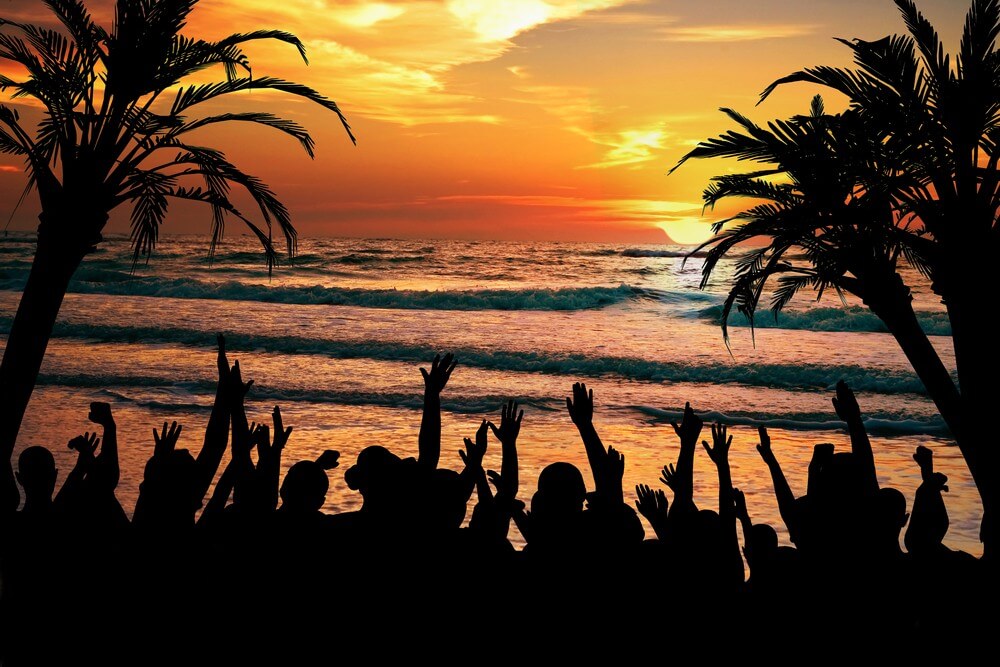
Island Event Planning | Navigating the Logistical Challenges
Planning an Event on an Island and want to know the logistical challenges? We give practical tips on how to overcome these challenges.


Festival Production | How to Create Memorable Festival Experiences
Planning a festival? Make it one to remember with these tips for creating a visually stunning environment, transporting attendees to another world.

Brand New Theme Park In Saudi Arabia
We take a look inside Six Flags Qiddiya a multi-million-pound theme park in Saudi Arabia set to be the worlds largest theme park in KSA.
