

Managing International Events – What are the challenges?
Hosting and managing events internationally can be a great way to expand your reach and connect with people in other countries. However, managing an event that involves participants, speakers, and partners from different countries can be challenging. From language barriers to legal issues, and cultural differences to sustainability concerns, there can be several issues that you need to overcome if your event is to be a success.
Let’s take a closer look at those challenges and explore some potential solutions.
Attracting sufficient numbers of visitors
The challenge
One of the biggest challenges you’ll face when managing an overseas event is attracting sufficient numbers of attendees. After all, you’re trying to persuade people to travel by air, perhaps from the other side of the world. They might also have to go through the bureaucracy of applying for visas.
The solution
One solution is to offer the event as a hybrid opportunity. Those that wish to can travel in person. Others can attend virtually. With recent technological developments, attending meetings virtually has become both straightforward and low-cost.
Last minute cancellations
The challenge
Another common challenge that event managers face is last-minute cancellations. These can be especially problematic when dealing with international participants who may face unexpected visa issues or travel restrictions.
The solution
To mitigate this risk, always put in place backup plans and alternatives. This could involve inviting multiple speakers for each session or having multiple vendors for critical services like catering and audio-visual equipment.
Knowing which tech to use for hybrid or virtual events
The challenge
It’s not easy to know which technology platforms to use when you’re organising an overseas event. With so many different options available, it can be difficult to choose the one that best fits the needs of the event.
The solution
Be sure you’re clear in your own mind about the aims and objectives of your event. This will help you to decide which technology platforms are best suited for your needs. Think about ease of use, reliability, and compatibility with different devices and operating systems. Consult with experienced IT professionals too.
Cultural Challenges
The challenge
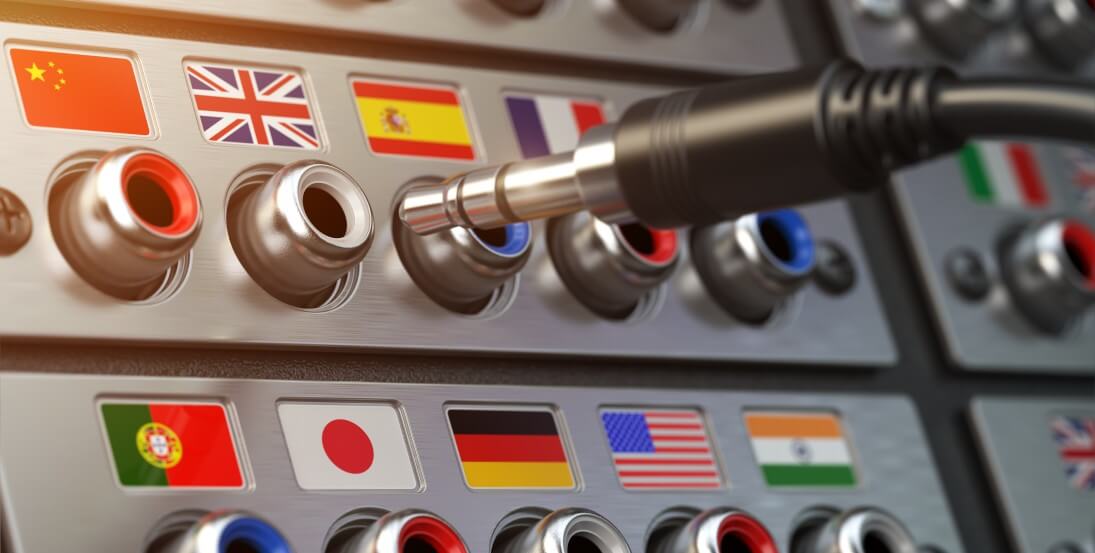
When hosting an international event, it’s important to be aware of the different cultures and languages that might be involved. This can be particularly challenging when dealing with attendees, speakers, and partners from different countries.
The solution
Establish clear lines of communication and have translators available if necessary. Also, always be aware of the different laws and regulations that relate to the holding of events in the host country. Hiring a local event planner who understands the local culture and can provide valuable insights and advice can also be helpful.

Issues with the location
The challenge
Another challenge that you might face when organising your event overseas is dealing with issues related to the location. This could relate to infrastructure, such as limited internet connectivity or inadequate audio-visual equipment. It could also include issues surrounding cultural and language barriers, such as navigating different legal systems or customs.
The solution
To address these challenges, you’ll be well advised to conduct site visits to the location in advance and to establish relationships with local vendors and suppliers who can help with logistical issues.
Budget Constraints
The challenge
Budget constraints can be a significant challenge when organising an international event, especially when dealing with fluctuating exchange rates and unforeseen expenses.
The solution
To overcome budget constraints, it’s essential to have a clear understanding of the costs involved and to plan for contingencies. Negotiating favorable rates with vendors and suppliers can also help keep costs under control. Finally, monitoring expenses closely throughout the planning process can help avoid surprises and ensure that the event stays within budget.
Sustainability issues
The challenge
Hosting an international event can have a significant impact on the environment, particularly when it comes to carbon emissions from air travel.
The solution
To address these concerns, you should consider ways to reduce the carbon footprint of the event. You could work with local suppliers and services to minimise the need for international travel. Another option is to use virtual or hybrid elements to reduce the number of people who need to travel to the event.
Time Zone Differences
The challenge
Time zone differences can make it difficult to coordinate schedules, especially when dealing with participants and stakeholders from multiple countries.
The solution
One solution is to use scheduling tools that allow you to find suitable meeting times across different time zones. Another option is to schedule meetings during overlapping work hours, taking into account the time differences.
Marketing and Promotion
The challenge
Marketing and promoting an international event can be challenging, as different cultures and countries may respond differently to marketing techniques.
The solution
To overcome this challenge, it’s essential to have a clear understanding of the target audience and the local market. Working with local marketing and PR experts can be helpful, as they can provide insights and guidance on the most effective strategies for reaching the target audience.

Overcoming the challenges of hosting events overseas
Hosting an international event can present all kinds of challenges – but the rewards can be great too. There are always solutions to those challenges, but they don’t always come easily. You need to plan meticulously and to think innovatively – and there’s no substitute for working with experienced professionals. Talk to us at Global Events. With our connections and unrivalled experience, we’re well-placed to help you with the design, production and implementation of an event that will achieve your goals.
Find out more. Get in touch today!

International Events | The Biggest Challenges Event Managers Face
Planning an Event Outside the UK? Worried about all that could go wrong? We cover some of the main challenges and solutions to drive success.


Festival Production | How to Create Memorable Festival Experiences
Planning a festival? Make it one to remember with these tips for creating a visually stunning environment, transporting attendees to another world.
